

Your Hair Changes After 35
… And That's Completely Normal
Hair Advice from The Cutting Studio in High Wycombe
Key Takeaways
Your hair naturally changes as you move through your 30s, 40s and beyond.
Hormones, stress, pregnancy, nutrition and lifestyle can all affect your hair's thickness, texture and shine.
The haircut, colour or routine that worked five years ago may no longer be the best choice for your hair today.
Small changes to your haircare routine and regular professional advice can make a noticeable difference.
A personalised consultation helps us adapt your cut, colour and treatments to suit your hair as it changes.
Ready to fall back in love with your hair? Book a complimentary hair consultation online or call us on 01494 714204 at The Cutting Studio High Wycombe and let us create a style and haircare plan that works for your hair today—not the hair you had ten years ago.
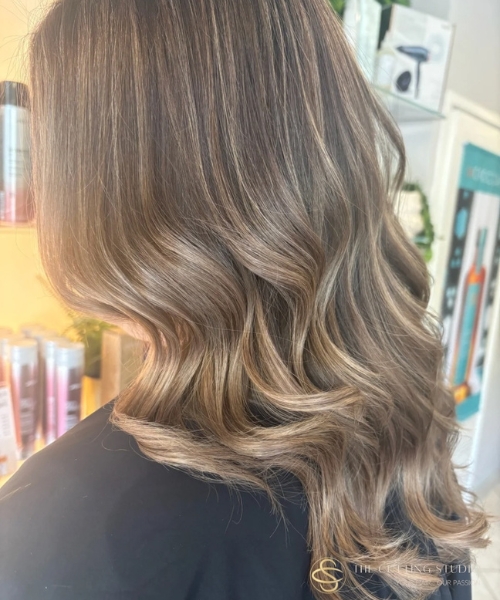
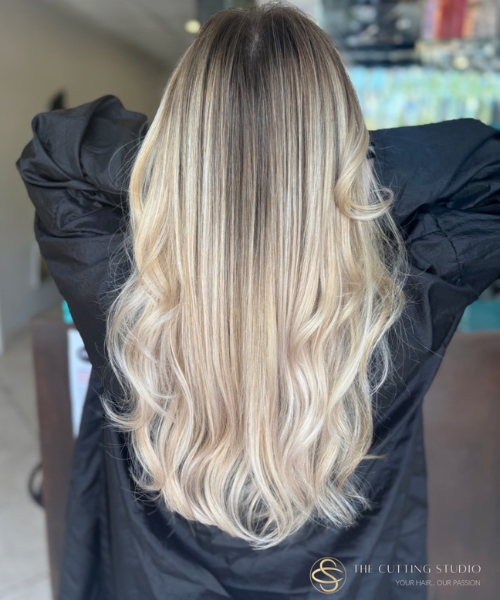
Your Hair Isn't the Same Hair You Had at 25… Or Even 35
Have you ever looked in the mirror and thought...
"Why does my hair suddenly feel different?"
Maybe it doesn't feel as thick as it used to.
Perhaps your colour fades more quickly.
Your fringe won't sit properly anymore.
Or the products you've used for years just don't seem to work.
If that sounds familiar, you're definitely not alone.
In fact, it's one of the conversations we have most often at The Cutting Studio in High Wycombe.
The truth is, your hair changes throughout your life, just like your skin does. The difference is that nobody really talks about it.
It's Rarely Just One Thing
Most people assume thinning hair or changing texture happens overnight.
It doesn't.
Hair changes gradually, and there are often several reasons why.
Hormones
One of the biggest influences on hair is your hormones.
As hormone levels naturally fluctuate through your late 30s, 40s and beyond, you may notice your hair becoming finer, drier or losing some of its natural volume.
Many women also find their hair feels different during pregnancy, after having children or throughout perimenopause and menopause.
These changes are incredibly common—but they don't mean you have to simply put up with them.
Stress Can Show Up Months Later
Hair has a long memory.
A stressful period at work, illness, surgery or a significant life event can affect your hair months after everything else has settled down.
It's one of the reasons people often can't pinpoint why their hair suddenly feels thinner.
The good news?
For many people, this type of hair shedding is temporary, and your hair can recover with time and the right care.
Your Hair Texture Can Change Too
It's not just about thickness.
Many clients tell us their hair suddenly feels:
More frizzy
More coarse
Less shiny
Harder to style
More difficult to straighten
Less likely to hold a curl
Again, this is completely normal.
Your hair evolves as you do.
Sometimes your haircut simply needs to evolve with it.
What Worked Before Might Not Work Now
One of the biggest mistakes people make is keeping exactly the same haircut and colour for years because...
"It's always suited me."
Maybe it did.
But your hair today isn't the same hair you had five or ten years ago.
A haircut that once created volume might now make finer hair appear flatter.
The blonde you loved in your twenties may now need softer tones to complement your skin.
Even the products you use may need updating.
Sometimes the smallest adjustments make the biggest difference.
Small Changes Often Create the Biggest Results
Not everyone needs a dramatic restyle.
Often it's the little things that transform how your hair looks and feels.
That might mean:
Adding softer layers for movement.
Refreshing your colour with a gloss.
Choosing a more flattering fringe.
Using a more nourishing shampoo.
Introducing a strengthening treatment.
Adjusting your styling routine.
These subtle changes help your hair work with you instead of against you.
It Starts With a Conversation
This is why we never believe in rushing consultations.
Before recommending anything, we want to know:
Has your hair changed recently?
Is it taking longer to style?
Does it feel thinner?
Is your colour fading faster?
Are you noticing more hair in your brush?
These conversations help us understand not only what you want your hair to look like, but what your hair actually needs.
Because great hair isn't about following trends.
It's about creating something that works for your lifestyle, your routine and the hair you have today.
Looking After Your Hair at Home
If your hair has started behaving differently, don't panic. Small changes often have the biggest impact.
Wash Your Hair Every Other Day
If you're washing your hair every day, try extending it to every other day where possible.
Daily washing can strip away your scalp's natural oils, encouraging it to produce even more oil to compensate. Giving your scalp a little more time between washes often helps restore a healthier balance.
Don't Skip Your Scalp
Healthy hair starts with a healthy scalp.
When you wash your hair, spend a minute or two gently massaging your scalp with your fingertips. It helps stimulate circulation, removes product build-up and creates a healthier environment for hair growth.
It's a simple habit that many people overlook.
Consider Your Nutrition
If you've noticed your hair feels noticeably finer or you're shedding more than usual, it could be worth reviewing your diet or speaking to a healthcare professional.
Many people choose to add a biotin supplement as part of their haircare routine, as biotin supports healthy hair growth. While it's not a miracle cure, it may be beneficial if you're deficient. If you're unsure, always seek advice from your GP or pharmacist before starting supplements.
Switch to a Sulphate-Free Shampoo
If your colour seems to fade quickly or your hair feels dry after washing, your shampoo could be part of the problem.
A professional sulphate-free shampoo cleanses the hair more gently while helping to retain moisture and protect your colour. It can make a noticeable difference to the longevity of your colour and the overall condition of your hair.
During your appointment, we'll always recommend the products best suited to your hair type and colour.
Don't ignore changes—mention them to your stylist.
Sometimes one small conversation can completely change your hair routine.
Ready to Love Your Hair Again?
If your hair feels different, harder to manage or simply isn't behaving the way it used to, don't worry—you don't have to figure it out alone.
Book a consultation at The Cutting Studio High Wycombe and let's talk about what's changed, what's causing it and, most importantly, what we can do to help.
Together, we'll create a haircut, colour and homecare routine that works with your hair today, helping you feel confident every time you look in the mirror.